Category Archive Instructions

Bylenora

smartwool care instructions

Smartwool Care Instructions: A Comprehensive Guide

Smartwool garments require specific care to maintain their performance and longevity․ This guide details washing, drying, and storage, ensuring your investment remains comfortable and durable for years to come․

Understanding Smartwool Fabric

Smartwool fabrics are primarily composed of merino wool, a natural fiber renowned for its exceptional qualities․ Unlike traditional wool, merino boasts incredibly fine fibers, resulting in a remarkably soft and non-itchy feel against the skin․ This fineness is crucial to Smartwool’s comfort and wearability, making it ideal for base layers, socks, and outerwear․

The structure of merino wool fibers allows them to naturally regulate temperature, keeping you warm in cold conditions and cool when it’s warmer․ These fibers possess a unique crimp, creating tiny air pockets that trap heat, providing insulation without bulk․ Furthermore, merino wool is highly breathable, wicking moisture away from the body to prevent overheating and maintain dryness․

Understanding the fabric’s composition is the first step in proper care․ Smartwool often blends merino wool with synthetic fibers like nylon or polyester to enhance durability, elasticity, and abrasion resistance․ These blends maintain the core benefits of merino while improving the garment’s overall performance and lifespan․ Knowing the specific blend of your Smartwool item will inform your washing and drying choices․

The Benefits of Merino Wool

Merino wool offers a wealth of advantages, making Smartwool products exceptionally desirable․ Its natural breathability regulates body temperature, keeping you comfortable in diverse conditions – warm when it’s cold, and cool when it’s warm․ This inherent temperature regulation minimizes the need for layering, simplifying your outdoor adventures․

A key benefit is merino wool’s exceptional moisture-wicking capability․ It absorbs moisture away from your skin, preventing that clammy feeling and keeping you dry․ Crucially, merino wool continues to insulate even when wet, a significant advantage over cotton․ Furthermore, merino wool is naturally odor-resistant․

The fiber’s structure traps odor-causing bacteria, reducing the frequency of washing needed, and extending the life of your garments․ This makes Smartwool ideal for multi-day hikes or extended travel․ Beyond performance, merino wool is a sustainable and renewable resource, making it an environmentally conscious choice․ Its softness and lack of itchiness contribute to superior comfort, enhancing the overall experience of wearing Smartwool apparel․

Smartwool’s Unique Properties & Why Proper Care Matters

Smartwool leverages the inherent benefits of merino wool, enhancing them through innovative knitting techniques․ These techniques create fabrics that are exceptionally soft, durable, and performance-oriented․ The unique fiber structure provides natural stretch and recovery, ensuring a comfortable fit that maintains its shape, even after repeated use․

However, despite its resilience, merino wool requires specific care to preserve these qualities․ Improper washing and drying can damage the delicate fibers, leading to shrinkage, stretching, or loss of insulation and moisture-wicking properties․ High temperatures are particularly detrimental, disrupting the wool’s natural structure․

Therefore, understanding and adhering to proper care instructions is crucial․ Protecting your Smartwool investment ensures its longevity and continued performance․ Gentle washing, appropriate drying methods, and careful storage are all essential components of maintaining the integrity of the fabric․ By following these guidelines, you’ll maximize the lifespan and enjoyment of your Smartwool garments, keeping them feeling and performing their best for years to come․

Washing Your Smartwool Items

Effective washing preserves Smartwool’s qualities․ Prepare items, select appropriate detergents, and utilize gentle machine settings or opt for a careful hand washing approach․

Preparing Your Smartwool for Washing

Before introducing your Smartwool items to the washing machine, a little preparation goes a long way in preserving their quality․ First, always turn your garments inside out․ This simple step protects the outer fibers from abrasion during the washing cycle, minimizing pilling and fading․

Next, check for any loose dirt or debris, especially after outdoor activities․ Gently shake out the item or use a soft brush to remove visible particles․ Pay particular attention to areas like cuffs, collars, and seams where dirt tends to accumulate․

Crucially, close any zippers, Velcro closures, or snaps․ These can snag on the delicate merino wool fibers, causing damage․ Empty any pockets to prevent unwanted items from contaminating the wash or causing further issues․ For heavily soiled areas, consider pre-treating with a Smartwool-approved stain remover, but always test in an inconspicuous area first․

Finally, place your Smartwool items in a mesh washing bag․ This provides an extra layer of protection, preventing stretching and snagging, especially when washing alongside other garments․ Proper preparation ensures a gentle and effective cleaning process, extending the life of your beloved Smartwool apparel․

Recommended Detergents for Smartwool

Selecting the right detergent is paramount when washing your Smartwool items․ Avoid conventional laundry detergents, as they often contain harsh enzymes, bleach, and fabric softeners that can break down the delicate merino wool fibers, diminishing its natural properties․ These chemicals strip the wool of its oils, leading to shrinkage, loss of softness, and reduced odor resistance․

Instead, opt for detergents specifically formulated for wool or delicate fabrics․ Smartwool recommends using a pH-neutral detergent, ideally one designed for technical apparel․ These detergents are gentle yet effective at removing dirt and odors without damaging the fibers․ Look for options labeled “enzyme-free” and “free of dyes and fragrances” to minimize potential irritation and ensure optimal care․

Several brands offer excellent choices, including Woolite Delicates, The Laundress Wool & Cashmere Shampoo, and Nikwax Wool Wash․ Always follow the detergent’s instructions for proper dosage, using only the recommended amount․ Using too much detergent can leave residue on the fibers, reducing breathability and performance․ A little goes a long way in preserving the integrity of your Smartwool garments․

Washing Machine Settings: Temperature & Cycle

When machine washing your Smartwool items, careful attention to temperature and cycle selection is crucial․ Always use cold water – ideally 30°C (86°F) or lower – to prevent shrinkage and fiber damage․ Hot water can cause the wool to felt, irreversibly altering its shape and texture․ Avoid warm or hot water settings at all costs․

Select the gentlest cycle available on your washing machine, typically labeled “delicate,” “hand wash,” or “wool․” These cycles use slower agitation speeds, minimizing stress on the fibers․ A longer wash cycle is preferable to a vigorous one․ Avoid using the permanent press or heavy-duty cycles, as these can be too harsh for Smartwool․

Before starting the wash, turn your Smartwool garments inside out to protect the outer surface from abrasion․ Secure any zippers or Velcro closures to prevent snagging․ Consider using a mesh laundry bag to further protect delicate items during the wash cycle․ Proper settings ensure a thorough clean without compromising the quality and performance of your Smartwool apparel․

Hand Washing Smartwool: A Gentle Approach

For the most delicate Smartwool items, or when you prefer a more controlled cleaning process, hand washing is an excellent option․ Fill a clean basin or sink with cool water and add a small amount of Smartwool-approved detergent․ Gently submerge the garment and swirl it around, allowing the detergent to penetrate the fibers․

Avoid harsh scrubbing or twisting, as this can damage the wool․ Instead, gently knead the fabric to release dirt and odors․ Let the item soak for about 10-15 minutes, then rinse thoroughly with cool, clean water until all traces of detergent are removed․ Be patient and ensure complete rinsing to prevent residue buildup․

Once rinsed, gently press out excess water – do not wring or twist․ Lay the item flat on a clean towel and roll it up to absorb more moisture․ Hand washing provides a gentle and effective way to clean your Smartwool, preserving its softness, shape, and performance characteristics for years to come․

Drying Your Smartwool

Proper drying is crucial for maintaining Smartwool’s shape and performance․ Avoid high heat, which can cause shrinkage and damage․ Prioritize air drying or use a low-heat tumble dry setting․

Air Drying Smartwool: The Preferred Method

Air drying is undeniably the most gentle and recommended method for preserving the integrity of your Smartwool items․ Unlike the heat from a machine dryer, air drying minimizes the risk of shrinkage, fiber damage, and loss of elasticity․ To begin, gently remove excess water from your Smartwool garment – avoid wringing, as this can distort the shape․ Instead, carefully roll it in a clean towel to absorb moisture․

Next, lay the item flat on a clean, dry surface, such as a drying rack or a clean towel-covered table․ Ensure the garment is spread out evenly to promote consistent drying․ Avoid direct sunlight or heat sources, as these can fade colors and weaken the fibers․ For socks and smaller items, you can hang them, but use a non-metal hanger to prevent snags․

Allow ample time for complete drying, which may take longer than machine drying․ The drying time will depend on the humidity and temperature of your environment․ Regularly reshaping the item during the drying process helps maintain its original form․ This simple step ensures your Smartwool continues to fit and feel its best, extending its lifespan and maximizing your enjoyment․

Tumble Drying Smartwool: Low Heat Only

While air drying is preferred, tumble drying Smartwool is permissible – but only under very specific conditions; High heat is detrimental to merino wool, causing shrinkage and fiber damage, so a low heat setting is absolutely crucial․ Always check the care label on your specific Smartwool item, as some may advise against machine drying altogether․

If the label permits tumble drying, select the lowest heat setting available on your dryer․ A delicate or wool cycle is also ideal․ Before placing the garment in the dryer, consider using a dryer ball to help fluff the item and reduce drying time․ Avoid using dryer sheets, as they can leave a residue on the fibers and reduce their performance․

Remove the Smartwool item promptly once the cycle is complete․ Even on low heat, prolonged exposure can cause damage․ Immediately reshape the garment while it’s still slightly warm to help it retain its original form․ Remember, even with low heat, tumble drying isn’t as gentle as air drying, so prioritize air drying whenever possible to maximize the lifespan of your Smartwool․

Reshaping Smartwool After Washing

Reshaping your Smartwool items after washing, whether air-dried or tumble-dried on low, is a vital step often overlooked; Merino wool fibers have a natural tendency to compress and lose their shape when wet․ Gently reshaping restores the garment’s original dimensions and prevents unwanted stretching or distortion over time, ensuring a comfortable fit and extending its lifespan․

While the item is still damp, carefully lay it flat on a clean, dry surface․ Gently pull and smooth the fabric back into its intended shape․ Pay particular attention to sleeves, shoulders, and the body of the garment․ For socks, ensure the heel and toe are properly aligned․ Avoid harsh stretching or pulling, as this can damage the delicate fibers․

Allow the item to finish air drying completely in its reshaped form․ This simple practice significantly contributes to maintaining the garment’s quality and appearance․ Regular reshaping is a proactive measure that preserves the integrity of your Smartwool, keeping it looking and feeling its best wash after wash․

Maintaining Smartwool Quality

To preserve Smartwool’s integrity, avoid high temperatures during washing and drying․ Proper storage in a cool, dry place is also essential for long-lasting performance․

Avoiding High Temperatures: Washing & Drying

Protecting your Smartwool items from excessive heat is paramount to maintaining their natural benefits and extending their lifespan․ High temperatures can irrevocably damage the delicate merino wool fibers, leading to shrinkage, stretching, and a loss of the fabric’s inherent softness and shape․ When washing, always opt for cold water; warm or hot water can cause the fibers to felt together, altering the garment’s texture and fit․

Similarly, when it comes to drying, avoid high heat settings in the tumble dryer․ The intense heat can break down the wool fibers, diminishing their elasticity and moisture-wicking capabilities․ Instead, prioritize air drying whenever possible, laying the garment flat to maintain its shape․ If you must use a dryer, select the lowest heat setting and remove the item while it’s still slightly damp․

High heat also affects the moisture-wicking properties and breathability of the fabric, key features that make Smartwool so comfortable․ By consistently avoiding exposure to high temperatures during both washing and drying processes, you’ll ensure your Smartwool items remain comfortable, functional, and retain their premium quality for years to come․

Proper Storage of Smartwool Items

Correct storage is crucial for preserving the quality and shape of your Smartwool garments when they’re not in use․ Unlike some fabrics, merino wool is susceptible to damage from moths and other pests, so preventative measures are essential․ Storing Smartwool in a cool, dry, and well-ventilated place is the first step towards long-term preservation․ Avoid damp environments, as moisture can encourage mildew and weaken the fibers․

To protect against moths, consider using airtight storage containers or garment bags․ Adding natural moth repellents, such as cedar chips or lavender sachets, can provide an extra layer of defense without exposing your Smartwool to harsh chemicals․ Avoid storing your items in plastic bags for extended periods, as they can trap moisture and lead to deterioration․

When folding or hanging your Smartwool, avoid stretching or compressing the fabric excessively․ Gently fold items and store them flat, or hang them on padded hangers to maintain their shape․ Proper storage, combined with careful washing and drying, will ensure your Smartwool remains a valuable part of your wardrobe for seasons to come․

Addressing Odor Control in Smartwool

One of the remarkable benefits of Smartwool, thanks to its merino wool content, is its natural odor resistance․ However, even with this inherent property, odors can accumulate over time, especially with frequent wear․ Proper washing is the primary defense, but there are additional steps you can take to maintain freshness․

Avoid using fabric softeners, as they coat the wool fibers and reduce their ability to wick moisture and neutralize odors․ Instead, opt for a Smartwool-specific detergent or a mild, pH-neutral detergent designed for delicate fabrics․ Airing out your Smartwool items after each wear can also help to minimize odor buildup․ Simply hang them in a well-ventilated area for a few hours․

For items that require more intensive odor control, consider a specialized wool wash with odor-fighting enzymes․ These detergents effectively break down odor-causing bacteria without damaging the fibers․ Remember, consistent and proper care, including appropriate washing and storage, is key to keeping your Smartwool smelling fresh and performing optimally․

Bylenora

beko dishwasher operating instructions

Safety Instructions

Always read the manual before operating the dishwasher to ensure safe usage. Keep children away from the appliance during operation. Avoid overloading dishes and ensure proper detergent usage. Never modify the dishwasher or use it for non-intended purposes. Follow all safety warnings to prevent accidents and maintain optimal performance.

Do not operate the dishwasher if it is damaged or malfunctioning. Regularly clean the filter and check for blockages. Ensure the dishwasher is installed correctly and grounded. Avoid touching hot surfaces during or after cycles. Keep the user manual accessible for future reference and troubleshooting.

1.1. Important Safety Warnings

Read the manual thoroughly before using the dishwasher. Keep children away from the appliance while it is operating. Avoid overloading the dishwasher, as this may cause damage or poor cleaning results. Do not use the dishwasher for non-intended purposes. Ensure the appliance is properly installed and grounded. Never attempt to repair the dishwasher yourself; contact authorized service personnel. Keep the dishwasher door closed during operation to avoid injury from hot steam or water. Regularly clean the filter to maintain performance and prevent blockages. Be cautious of hot surfaces and dishes after a cycle completes.

1.2. Precautions Before Using the Dishwasher

Before using the dishwasher, ensure all packaging and protective materials are removed. Check that the appliance is properly installed and leveled to prevent vibration. Ensure the water supply hoses are securely connected. Verify that the power cord is plugged into a grounded outlet. Inspect dishes for fragile or delicate items that may require special care. Avoid placing items that could block the spray arms or detergent dispenser; Ensure the dishwasher is empty before starting a cycle. Always refer to the user manual for specific guidelines tailored to your Beko dishwasher model.

Understanding the Controls

The control panel features an intuitive design with buttons for program selection, options, and start/stop functionality. The display screen shows cycle progress and settings, ensuring easy operation.

2.1. Overview of the Control Panel

The control panel on your Beko dishwasher is designed for ease of use, featuring a clear layout with buttons for program selection, temperature adjustment, and additional options. The display screen provides visual feedback on the selected cycle, remaining time, and status updates. Buttons are labeled clearly, allowing you to navigate through options effortlessly. The panel also includes indicators for key functions like child lock and delayed start. This intuitive design ensures that you can customize your wash cycles and monitor progress without confusion, making the dishwasher simple to operate for all users.

2.2. How to Select Programs and Options

To select programs and options on your Beko dishwasher, press the “Program” button to cycle through available wash cycles. Use the corresponding buttons to choose options like temperature, drying mode, or silent operation. The display screen will show the selected program and options. Once your selections are made, press “Start” to begin the cycle. You can also adjust settings during the cycle using the “Options” button, ensuring flexibility for different load types and preferences. This straightforward process allows you to customize each wash cycle efficiently.

Loading the Dishwasher

Place dishes facing the center, secure large items, and avoid overcrowding. Use baskets for utensils and ensure spray arms are unobstructed for proper water flow.

3.1. Preparing Items for Washing

Before loading, scrape off large food particles and rinse heavily soiled dishes. Remove labels from new items and ensure all dishes are dishwasher-safe. Avoid nesting items tightly, as this can prevent proper cleaning. For delicate items like glassware, use a gentle cycle. Check for any blockages in utensils and ensure all items are placed securely to avoid damage during the wash cycle. Proper preparation ensures optimal cleaning and protects your dishes and the dishwasher from damage.

3.2. Correct Placement of Dishes

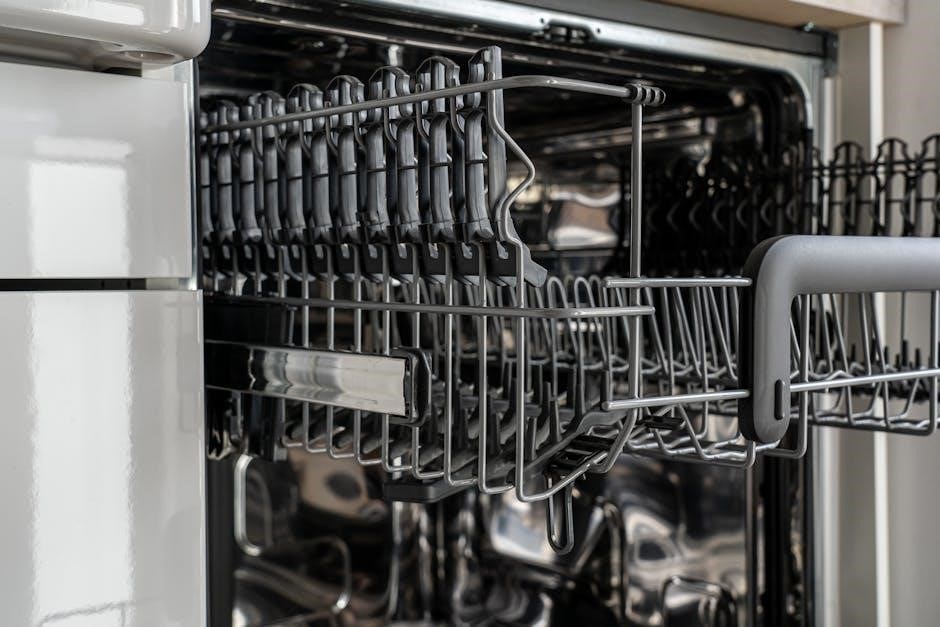
Place dishes facing the center to ensure proper water flow and cleaning efficiency. Bowls and plates should be positioned on the lower rack, while glasses and cups go on the upper rack. Utensils should be secured in their holders, with sharp items facing downward for safety. Avoid overcrowding racks, as this can hinder water circulation. Ensure pots, pans, and large items are placed on the bottom rack to prevent blocking spray arms. Proper arrangement ensures all dishes are cleaned thoroughly and prevents damage during the cycle.

3.3. Using Baskets and Cutlery Holders

Place utensils in the designated cutlery holders to ensure proper cleaning and prevent damage; Forks, knives, and spoons should be separated and facing downward for safety. The lower basket is ideal for plates, bowls, and larger items, while the upper basket is designed for glasses, cups, and smaller dishes. Keep the cutlery holders away from the spray arms to avoid blockage. Do not mix clean and dirty items. Ensure baskets are not overcrowded to allow water to circulate evenly. Secure large items like pots and pans in the lower basket to maintain stability during the cycle.

Detergent Usage

Use the recommended detergent dosage for optimal cleaning. Place detergent in the designated dispenser. Follow the manufacturer’s guidelines for detergent type and dosage to avoid overuse.

4.1. Recommended Detergent Types

For optimal performance, use dishwasher-specific detergents. Tablets, powder, or liquid detergents designed for dishwashers are recommended. Avoid using regular laundry detergent, as it may cause excessive foam. For hard water areas, consider detergents with built-in water softeners. Eco-friendly or low-phosphate options are also available for environmentally conscious users. Always check the detergent’s compatibility with your dishwasher model. Using the right detergent ensures better cleaning results, prevents damage to the dishwasher, and maintains hygiene standards. Follow the manufacturer’s guidelines for the best performance.

4.2. Measuring the Correct Dose

To ensure optimal cleaning and prevent residue, measure detergent accurately. Use the dosage spoon or cup provided with your detergent. For powder or liquid detergents, follow the manufacturer’s instructions for the recommended dose. If using tablets, one tablet per cycle is usually sufficient. Avoid over-dosing, as it may leave streaks or residue on dishes. For hard water areas, adjust the dose according to the detergent’s guidelines. Always refer to your dishwasher’s user manual for specific recommendations, as dose requirements may vary based on the model and water hardness. Proper measurement ensures efficient cleaning and machine longevity.

Selecting the Right Program

Select the right program based on load size, soil level, and dish type for optimal cleaning and energy efficiency. Programs are designed for specific dish care needs, ensuring the best results.

5.1. Overview of Wash Cycles

Your Beko dishwasher offers a variety of wash cycles designed to cater to different needs. These include Eco, Intensive, Quick, and Delicate cycles, each tailored to specific dish care requirements. The Eco cycle is energy-efficient and ideal for lightly soiled dishes, while the Intensive cycle tackles heavily soiled items with powerful jets. The Quick cycle is perfect for when you’re in a hurry, and the Delicate cycle gently cleans fragile items. Understanding these cycles ensures you select the most efficient option for your load, balancing cleanliness and energy usage effectively.

5.2. Special Programs and Options

Beko dishwashers feature special programs designed for specific cleaning needs. The SteamClean function uses steam to enhance hygiene, while GlassCare protects delicate glassware. The Sanitize option ensures dishes are bacteria-free, ideal for families. Intensive Zone tackles heavily soiled items with targeted power. Additional options include Half Load for smaller batches and Silent programs for reduced noise. These specialized settings allow you to customize your wash cycle, ensuring optimal results for various dish types and household preferences, while maintaining energy efficiency.

Starting the Dishwasher

Press the Start button to begin the selected cycle. Ensure the door is fully closed and the program is chosen before starting. The dishwasher will automatically start.

6.1. How to Start the Wash Cycle

To start the dishwasher, ensure the door is properly closed and latched to avoid leaks or interruptions. Select the desired program using the control panel, then press the Start button. The dishwasher will automatically begin the selected cycle. Some models may require a brief hold of the Start button for activation. Ensure the detergent dispenser is filled and the rinse aid level is adequate before starting. The dishwasher will display progress on the digital screen and emit a sound or light indicator when the cycle is complete. Always verify the door is locked before starting.

6.2. Understanding the Start/Pause/Cancel Function

The Start/Pause/Cancel function allows you to control the dishwasher cycle. Press the Start button to begin the selected program. If needed, press the same button again to pause the cycle. To cancel the cycle, hold the Start button for a few seconds until the indicator lights flash, confirming cancellation. Always ensure the door is properly closed before starting or resuming a cycle. The dishwasher will not operate with the door open. Use this feature to interrupt or reset the cycle as needed, ensuring flexibility in operation. Proper use ensures safe and efficient washing.

Monitoring the Dishwasher

Monitor the dishwasher’s operation using the display panel. Check cycle progress, remaining time, and status indicators. Ensure the door remains closed during operation for optimal performance and safety.

7.1. How to Check Cycle Progress

To monitor the cycle progress, refer to the dishwasher’s display panel. The LCD screen shows the remaining time, current phase, and active options. Indicator lights may also flash to signal the cycle’s status. You can pause the dishwasher to check progress or wait for audible signals that indicate the cycle is complete. Ensure the door remains closed during operation to maintain performance. Always consult the user manual for specific model variations and detailed guidance on monitoring features.

7.2. Understanding Indicator Lights

The Beko dishwasher features indicator lights that provide feedback on its operational status. These lights, located on the control panel, use colors like green, red, or amber to signal different phases. A steady green light typically indicates the cycle is running smoothly, while flashing red may signal an error or issue. Amber lights often denote pre-wash or drying phases. Refer to your user manual for specific light meanings, as they may vary by model; Understanding these indicators helps you diagnose issues or confirm the dishwasher is functioning correctly.

Maintenance and Troubleshooting

Regular maintenance ensures optimal performance. Clean filters and spray arms regularly, check for blockages, and ensure detergent dispenser is functioning properly. Refer to error codes for troubleshooting. Routine checks prevent issues and extend the dishwasher’s lifespan.

8.1. Cleaning the Filter and Spray Arms

Regularly cleaning the filter and spray arms ensures optimal washing performance. Locate the filter at the dishwasher’s base, remove, and rinse under warm water to clear debris. For spray arms, check for blockages and soak in warm water if necessary. Use a soft brush to remove any grease or food particles. Reassemble all parts securely after cleaning. This maintenance prevents poor washing results and promotes efficient water flow during cycles. Cleaning frequency depends on usage, but it’s recommended every 1-2 months for heavily used dishwashers. Always refer to the user manual for specific guidance.

8.2. Regular Maintenance Tips

Regular maintenance ensures your Beko dishwasher operates efficiently. Check and clean the door seals to prevent leaks and mold buildup. Run a cleaning cycle every 1-2 months using a dishwasher cleaner to remove grease and food residue. Leave the dishwasher door slightly open after cycles to dry the interior and prevent odors. Check for blockages in the waste water hose and ensure proper installation. Avoid using abrasive cleaners on surfaces. For stubborn stains, wipe with a soft cloth and mild detergent. Regular checks help maintain performance and extend the appliance’s lifespan. Always follow manufacturer recommendations for best results.

8.3. Common Error Codes and Solutions

Your Beko dishwasher may display error codes to indicate specific issues. E01 often relates to water supply or heating element problems. E02 typically signifies a drainage issue, while E03 may indicate a temperature sensor malfunction. For E01, check the water supply and ensure the heating element is functioning. For E02, inspect the drain hose for blockages and ensure proper installation. For E03, verify that the temperature sensor is clean and functioning. Always refer to your user manual for detailed solutions or contact Beko customer support if issues persist. Regular checks can prevent these errors from occurring.

Energy Efficiency

Beko dishwashers are designed with energy-saving features, offering eco-friendly wash cycles that reduce energy and water consumption, helping lower utility bills while maintaining superior cleaning performance.

9.1. Eco-Friendly Wash Cycles

Beko dishwashers feature specialized eco-friendly wash cycles designed to minimize energy and water consumption. These cycles use advanced sensors to detect load size and soil level, optimizing resource use. By selecting the eco-mode, you can significantly reduce energy consumption while still achieving excellent cleaning results. This not only helps lower your utility bills but also contributes to environmental sustainability. The eco-friendly cycles are ideal for everyday use, ensuring your dishes are clean while reducing your carbon footprint. Regular use of these cycles supports energy efficiency and aligns with eco-conscious household practices.

9.2. Energy-Saving Features

Beko dishwashers are equipped with innovative energy-saving features that help reduce power consumption. The energy-efficient motor and smart sensors work together to optimize performance while using less energy. Additionally, the dishwasher includes an eco-dry function that uses residual heat to dry dishes, eliminating the need for high-energy drying cycles. These features ensure that your appliance operates efficiently, lowering your energy bills and reducing its environmental impact. By incorporating advanced technology, Beko dishwashers deliver superior cleaning results while promoting energy conservation and sustainable household practices.

Quiet Operation

Beko dishwashers are designed for quiet operation, featuring noise-reducing insulation and advanced motors. This ensures minimal disturbance during cycles, making them ideal for home environments.

10.1. How to Minimize Noise

To minimize noise during operation, ensure the dishwasher is installed on a level surface and secured properly to prevent vibrations. Use the silent wash program for quieter cycles. Regularly check and tighten any loose components, as rattling can increase noise levels. Avoid overloading the dishwasher, as this may cause the spray arms to vibrate excessively. Place the dishwasher away from living areas if possible. For optimal quiet performance, maintain the machine by cleaning filters and ensuring all parts are in good working condition.

10.2. Silent Operation Features

Your Beko dishwasher is designed with advanced silent operation features to minimize noise during operation. The dishwasher incorporates multiple layers of insulation and dampening materials to reduce sound emissions. A brushless motor ensures quieter running, while specialized wash cycles like the “Silent” program optimize noise reduction. Additionally, anti-vibration components and a balanced drum design further suppress operational noise. These features allow the dishwasher to run quietly, even during late-night cycles, ensuring a peaceful home environment without compromising on cleaning performance.

Additional Features

Explore advanced features like delay start, child safety lock, and smart sensors, designed to enhance convenience and customization for optimal dishwasher performance.

11.1. Delay Start Function

The delay start function allows you to schedule the dishwasher cycle up to 24 hours in advance, providing flexibility for your daily routine. Simply use the control panel to select the desired start time, and the dishwasher will automatically begin the cycle. This feature is ideal for running the dishwasher during off-peak energy hours or ensuring it finishes just as you wake up. The delay start function is easily activated and can be combined with energy-saving modes to optimize efficiency. Always refer to the control panel indicators to confirm your settings have been applied correctly.

11.2. Child Safety Lock

The child safety lock feature ensures the dishwasher cannot be accidentally activated or modified during operation, providing peace of mind for families with children. To activate the lock, press and hold the appropriate buttons (as indicated in the control panel guide) for 3-5 seconds until the lock icon appears on the display. Once activated, all buttons will be disabled, preventing unintended changes to the cycle. This feature remains active until manually deactivated, ensuring safety and preventing unauthorized use. The dishwasher will also automatically lock controls during operation for added security.

Warranty and Support

Your Beko dishwasher is backed by a comprehensive warranty, covering parts and labor for a specified period. Register your product to activate warranty benefits. For assistance, contact customer support via phone, email, or the official website for troubleshooting, repairs, and inquiries.

12.1. Warranty Information

Your Beko dishwasher is covered by a manufacturer’s warranty, which varies by region. Typically, it includes a 1-year labor warranty and a 5-year parts warranty for the main components. This warranty applies to defects in materials and workmanship under normal use. Exclusions may include damage from misuse, improper installation, or unauthorized repairs. To validate your warranty, ensure your product is registered on Beko’s official website. Keep your proof of purchase and warranty certificate for any claims. Refer to the warranty document for specific terms and conditions in your area.

12.2. Contacting Customer Service

For assistance with your Beko dishwasher, contact customer service via phone, email, or the official Beko website. Visit the support section for live chat or to submit a query form. Customer service is available to address troubleshooting, repair requests, and warranty-related inquiries. Ensure you have your appliance’s model number and purchase details ready for faster assistance. Beko’s customer support operates Monday through Friday, excluding holidays, from 9 AM to 5 PM in most regions. For urgent issues, call the dedicated hotline listed on the Beko website for immediate help.